Consulting and technical advisory
Waste and sanitation planning, circular economy strategies, eco-industrial parks, industrial symbiosis, public-private partnerships, plastics value chains and policy implementation.
I am Mahobul Islam Plabon, a Bangladesh-based adviser with more than 20 years of experience in sanitation, waste management and resource recovery. I work with governments, development partners and businesses to move promising ideas into workable systems.
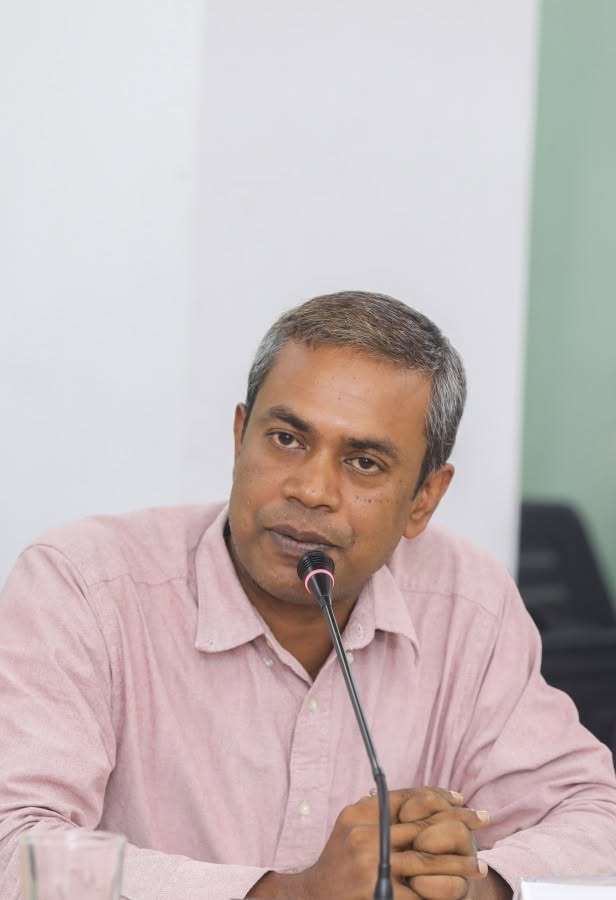
I am an engineer by training, with postgraduate studies in marketing management and more than 20 years of experience in environmental management. My work connects municipal services, circular economy and clean energy. My assignments have spanned Bangladesh, Nepal, India, Sri Lanka, Ethiopia, Uganda, Tanzania and Kenya.
I have led and supported work on integrated solid waste management, citywide inclusive sanitation, faecal sludge management, plastics recycling, composting and biogas. My approach connects technical design with institutions, markets and the people who operate these systems every day.
As founder and strategic adviser of Waste Bangladesh, I help develop locally workable approaches to resource recovery and inclusive service delivery. I also work with partners on policy, feasibility studies, training and implementation support.
My work brings together public agencies, private operators, informal workers and communities to make environmental solutions viable in practice. My formal name is Md Mahobul Islam.
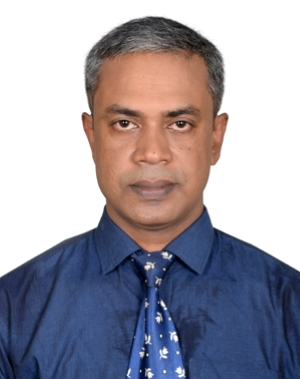
I offer focused technical and strategic support for projects that need evidence, clear choices and practical execution.
Waste and sanitation planning, circular economy strategies, eco-industrial parks, industrial symbiosis, public-private partnerships, plastics value chains and policy implementation.
Site assessments, waste-to-energy and biogas options, technology selection, business models, concept notes, proposals, implementation plans and performance frameworks.
Practical learning for government teams, industry, entrepreneurs and practitioners, including workshops on recycling, resource efficiency and design for environment.
Presentations, panel discussions and technical sessions that translate field experience into useful lessons for policy and practice.
A practical view of the systems that connect materials, industry, energy and people.
Keep material value in use and reduce disposal.
Measure material, water and energy use to find avoidable losses and improve productivity.
Identify practical exchanges of materials, energy, water and shared services between firms.
Combine environmental performance with viable business operations.
Match the technology to the feedstock and the intended energy use.
Recover value from separated dry materials through reliable processing and markets.
Reduce problem materials first, then assess technically viable recovery routes.
Protect people and the environment through careful identification and controlled handling.
Make environmental choices early in the product development process.
Prevent waste and pollution at source through better processes and practices.
Help promising environmental technologies move from concept to real-world use.
Examples of assignments and initiatives that reflect the range of my work. Detailed case studies can be added as the site develops.
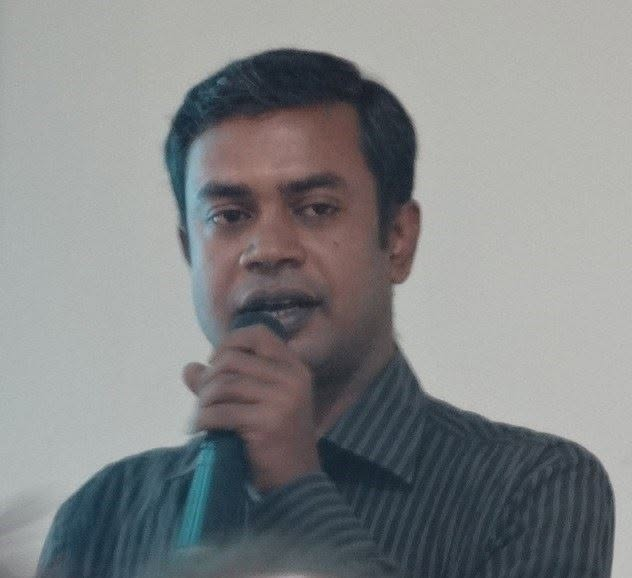
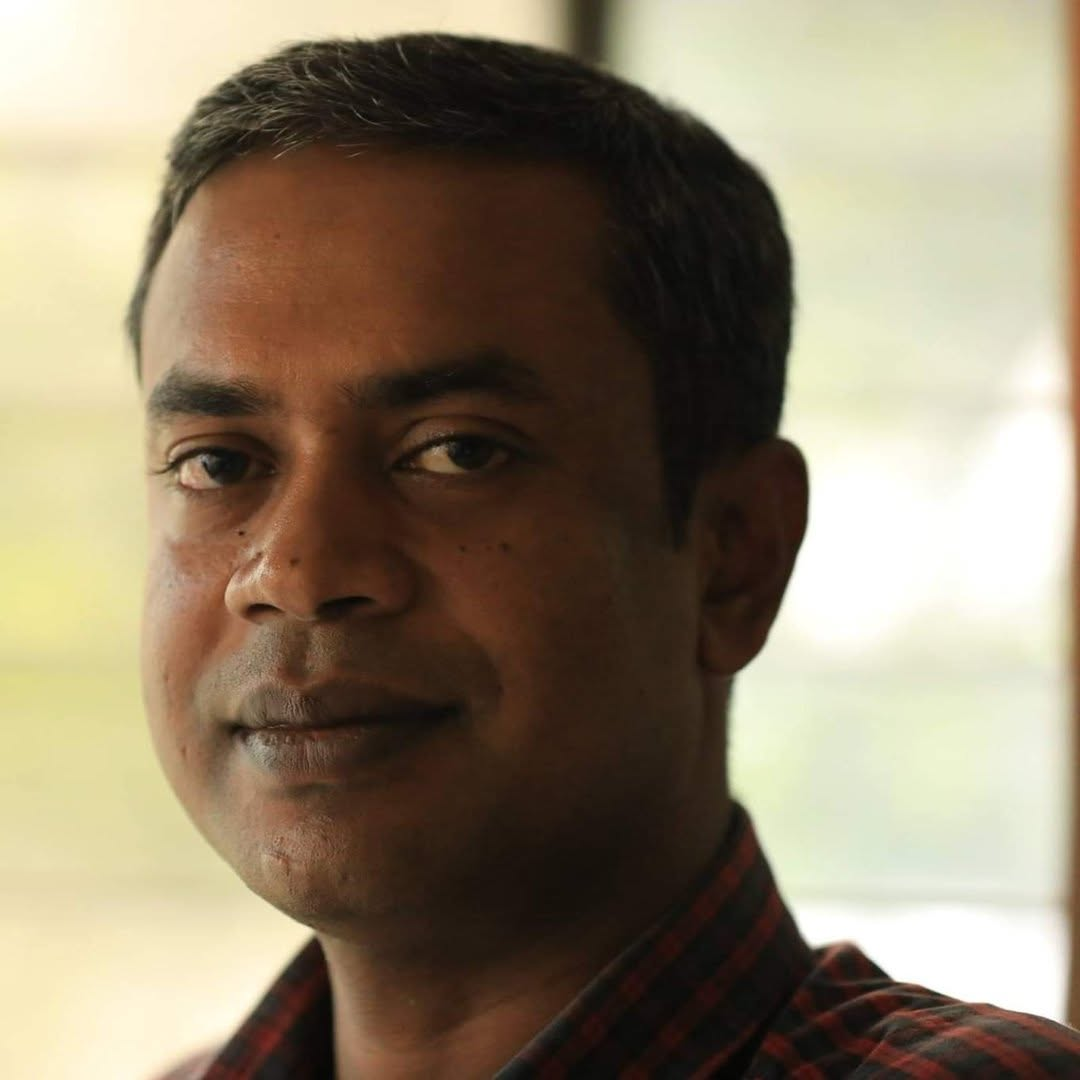
Supported a public-private approach to composting and faecal sludge treatment operations, connecting municipal services with useful products and local employment.
Worked on plastics recycling, resource efficient and cleaner production, design for environment, practitioner training and tools for plastic recycling precincts.
Developed and assessed waste-to-energy and biogas solutions for farms, households and organic waste streams, with attention to feedstock, technical viability and productive use of digestate.
Contributed to healthcare waste management and sanitation assessments, combining facility-level evidence with practical options for safer services.
Assignments across Kenya, Tanzania, Ethiopia and Uganda have involved partnership development, sanitation and waste-service planning, and the practical conditions needed to expand services.
Provided technical support to regional waste and sanitation initiatives, including municipal collaboration and opportunities to connect recycling enterprises with community collection systems.
Supported regional work on sanitation service development, partner coordination and business pathways for improving collection and treatment services.
Contributed technical support to urban sanitation and service-enterprise development, with attention to municipal partnerships and faecal sludge management.
Supported sanitation and resource recovery planning, including co-composting business-model considerations and coordination with municipal partners.
A home for selected articles, practical guides and project lessons. The following themes establish the editorial direction; published resources can be added once approved.
Composting, biogas and locally viable recovery models.
Recycling systems, responsible production and inclusive value chains.
Municipal partnerships, sanitation and implementation lessons.
For consulting assignments, training, speaking engagements or project collaboration, please share your objectives, location, timeline and the support you need.